EMC Texas Contractors · Homes, farms, commercial and industrial
Energy Management and Construction
EMC Texas · Construction, electrical, roofing, battery and solar, from one Texas contractor.

Welcome to EMC Texas Contractors. We design and manage construction, electrical, roofing, battery and solar projects for Texas homes, farms, and commercial and industrial property, with one team accountable from the first conversation to the day it's switched on. You'll see the numbers on your own bill before you decide, and the finished job is built and tested to work the way it should. You'll talk to a real person on our team throughout.
[NUMBER COMING] · A site visit confirms the design for your place, and the decision is yours, on your schedule.
Homes, farms, commercial and industrial
Homes
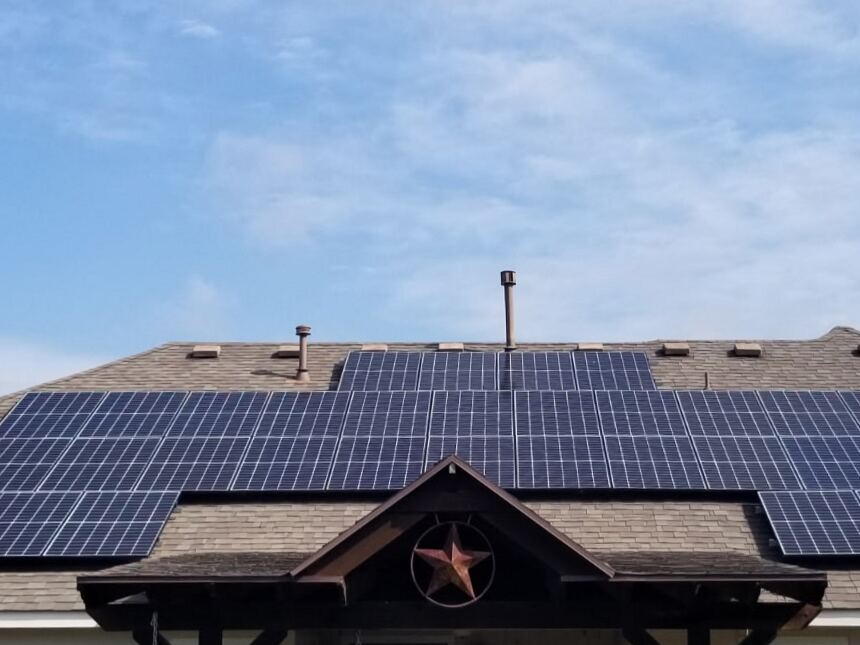
In town or in the country. Electrical work, roofing, battery backup and solar, sized to how your household actually uses power.
Farms and ranches
Barns, shops and open ground. Ground mounts and purpose-built structures put the panels where they work best.
Businesses, commercial and industrial property
Warehouses, plants, retail and office buildings, churches and multi-building sites. We walk the property, study the bills, and put the design and the numbers in front of you before anyone signs.
About EMC Texas Contractors
EMC Texas is an energy and construction contractor. We design the job, manage it from start to finish, and put licensed crews on the electrical, roofing and building work. Every job is designed, built and tested to work the way it should, from day one. We stand behind it.
-

Chad Davis
Founder, EMC Texas Contractors · Energy & Construction
From oil and gas to solar. 15+ years electrical, 10+ years construction.
In Chad's words:
A customer asks: How'd you get into solar?

Chad: I was in the oil and gas industry. I saw an opportunity for a new energy market and a new demand for different types of energy, so I got into the solar business because of that.
Chad's answer is in his own words; the question is how people often ask it.
The company runs on three words Chad picked: honesty, integrity and affordability: every job priced fairly and explained plainly. Energy independence, the way we mean it, is making and storing a good share of your own power while you stay connected to the grid, for a monthly amount you know in advance.
EMC works across Texas. Tell us about your place and we'll tell you exactly what will work.
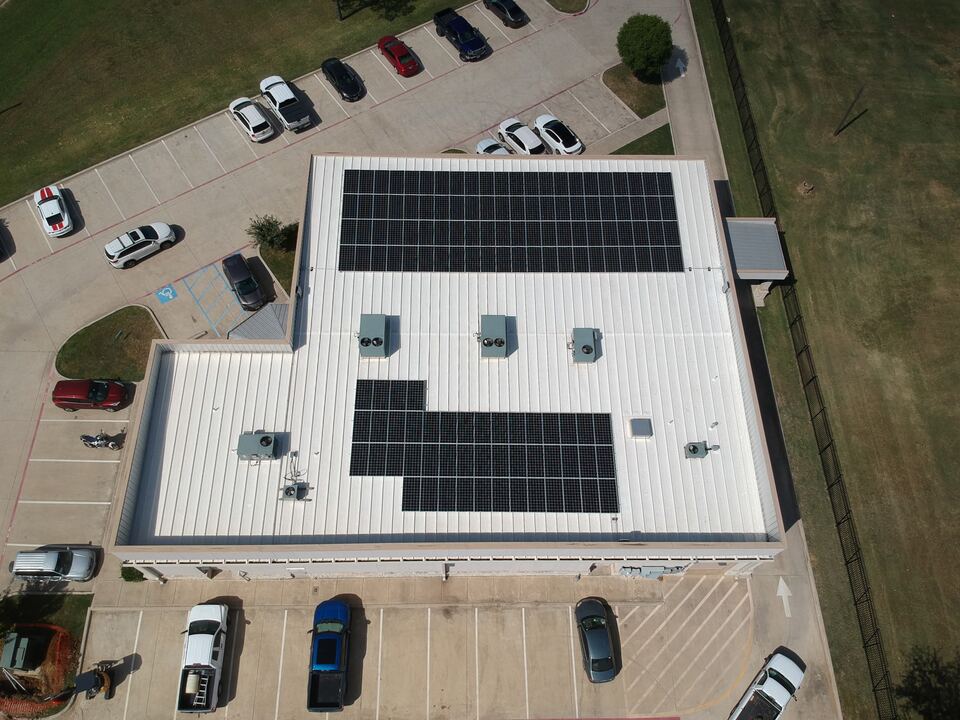
Construction, electrical, roofing, battery and solar in Texas
We look at the whole place first: the structures, the wiring and the roof, and how the place makes, stores and uses power. Solar is one piece of that.
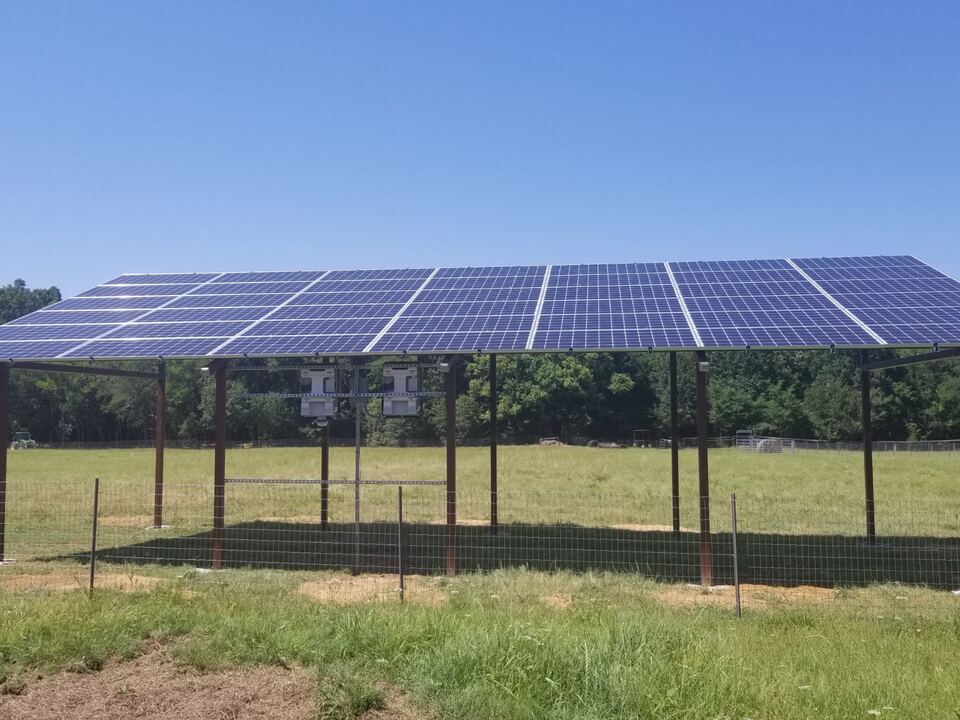
Construction
Structures built to carry solar: sheds, barns, carports, garages, pavilions, patio covers and parking canopies. We design the structure and the array together and contract the whole build. One contractor for the structure, the wiring and the panels.
Electrical work and roofing
EMC is the contractor for the wiring, the roof and the panels, so all three come from one place and fit together. Electrical panel upgrades, roof repair and roof replacement are handled as part of the job, before the array goes on.
Battery backup
A battery keeps the fridge, the lights and the computer running when the line goes down, and with solar it recharges the next day. In an outage, the battery is what keeps your power on. We size it to the loads you name and tell you exactly what it will carry.
Solar panels
Rooftop or ground-mount solar for homes, farms and businesses, sized to how much power you actually use. We use Tier 1 rated equipment and design each system ourselves. Good design is what makes solar perform, and design is where we start.
Solar plus battery
The full setup: your place makes power by day, stores it for the evening and for outages, and stays connected to the grid for the rest.
A home that makes, stores and manages its own power. Solar panels make power during the day. A battery stores it for the evening and for outages. The system's controls decide when to run on your own stored power and when to draw from the line, so you lean on the grid less when it's strained and more when power is plentiful. Your home stays connected the whole time, and your utility's rules decide what happens to any extra power; we'll show you how that works for your account before you decide. Chad, our founder, calls this setup a virtual power plant: your own small power plant, at home.
What it costs you up front. Most of our homeowners put no money down. You pay a fixed monthly amount through a lease or power purchase agreement instead of buying the system outright, and you can buy it outright if you'd rather. We show you the numbers on your own bill first.
Utility and co-op rules vary across Texas; a site visit confirms what fits your place.
Real jobs
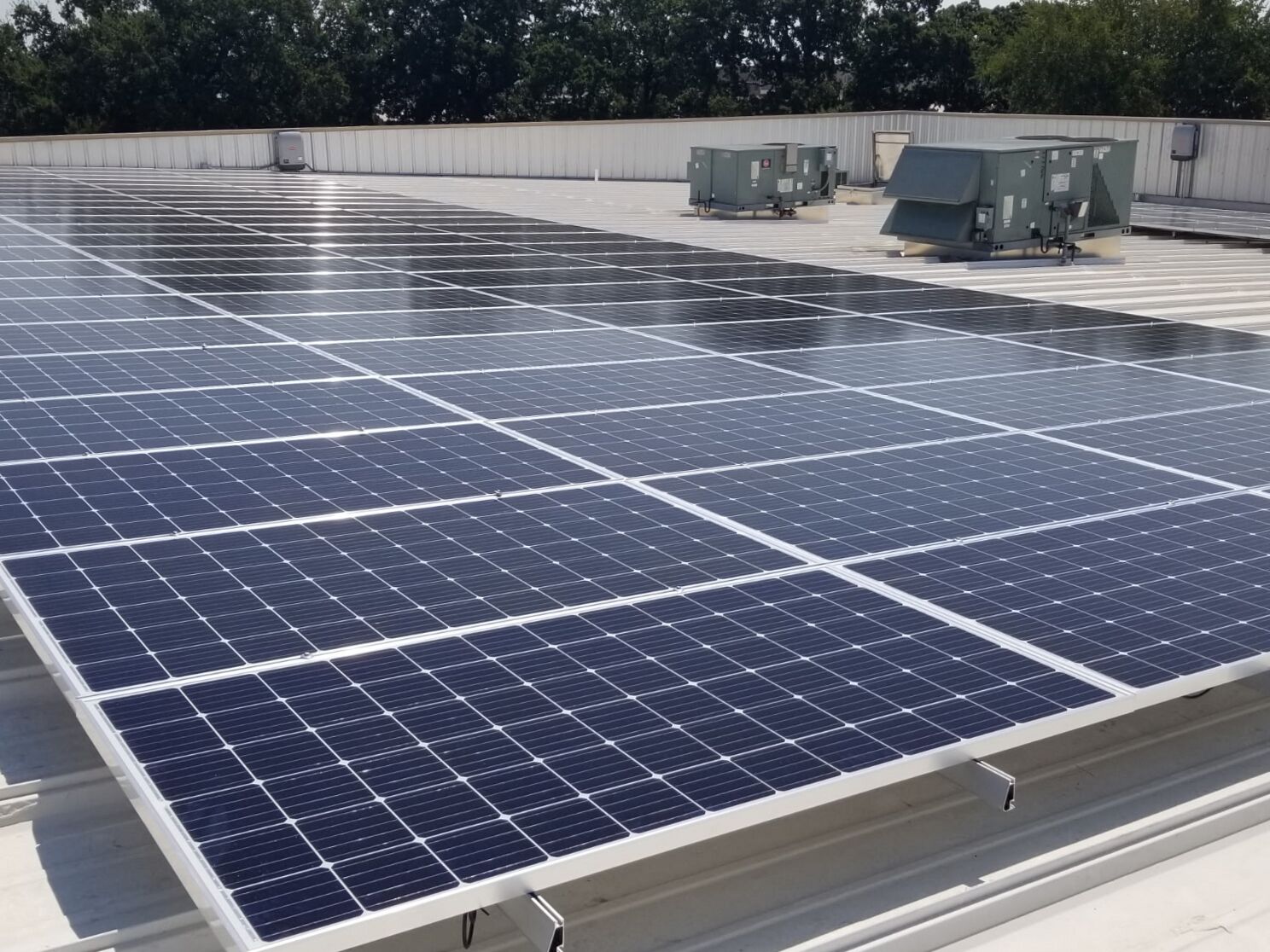
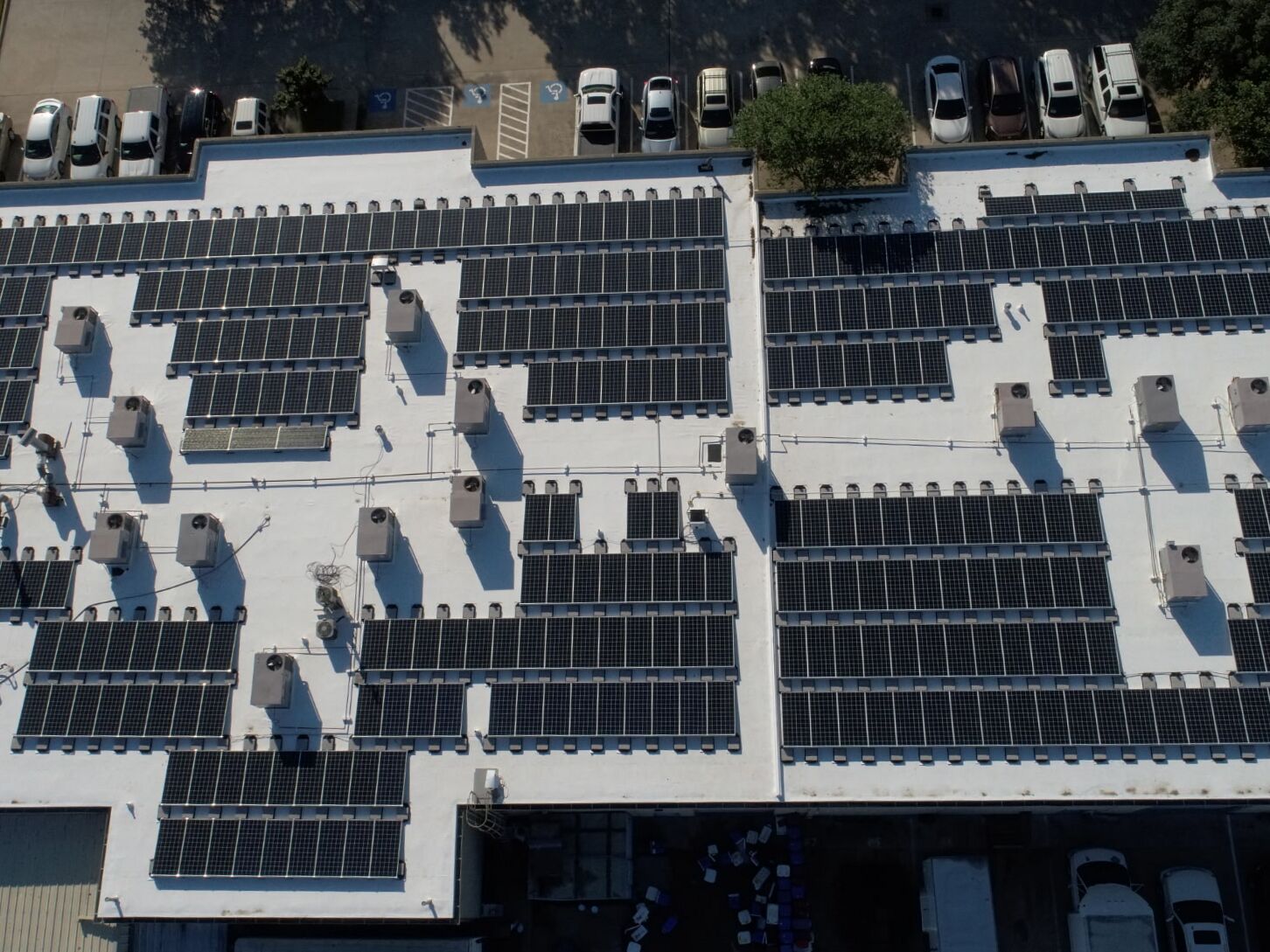
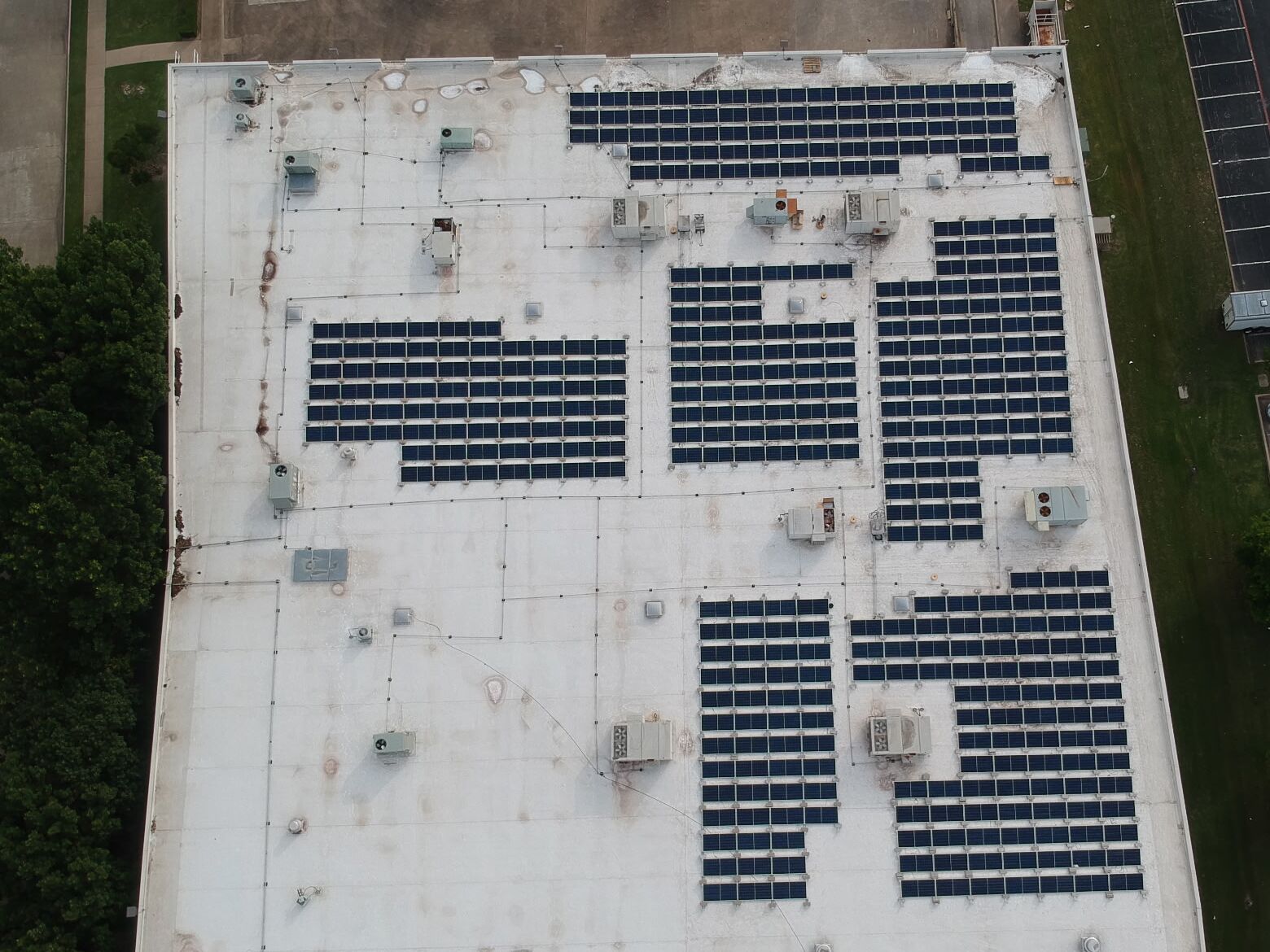
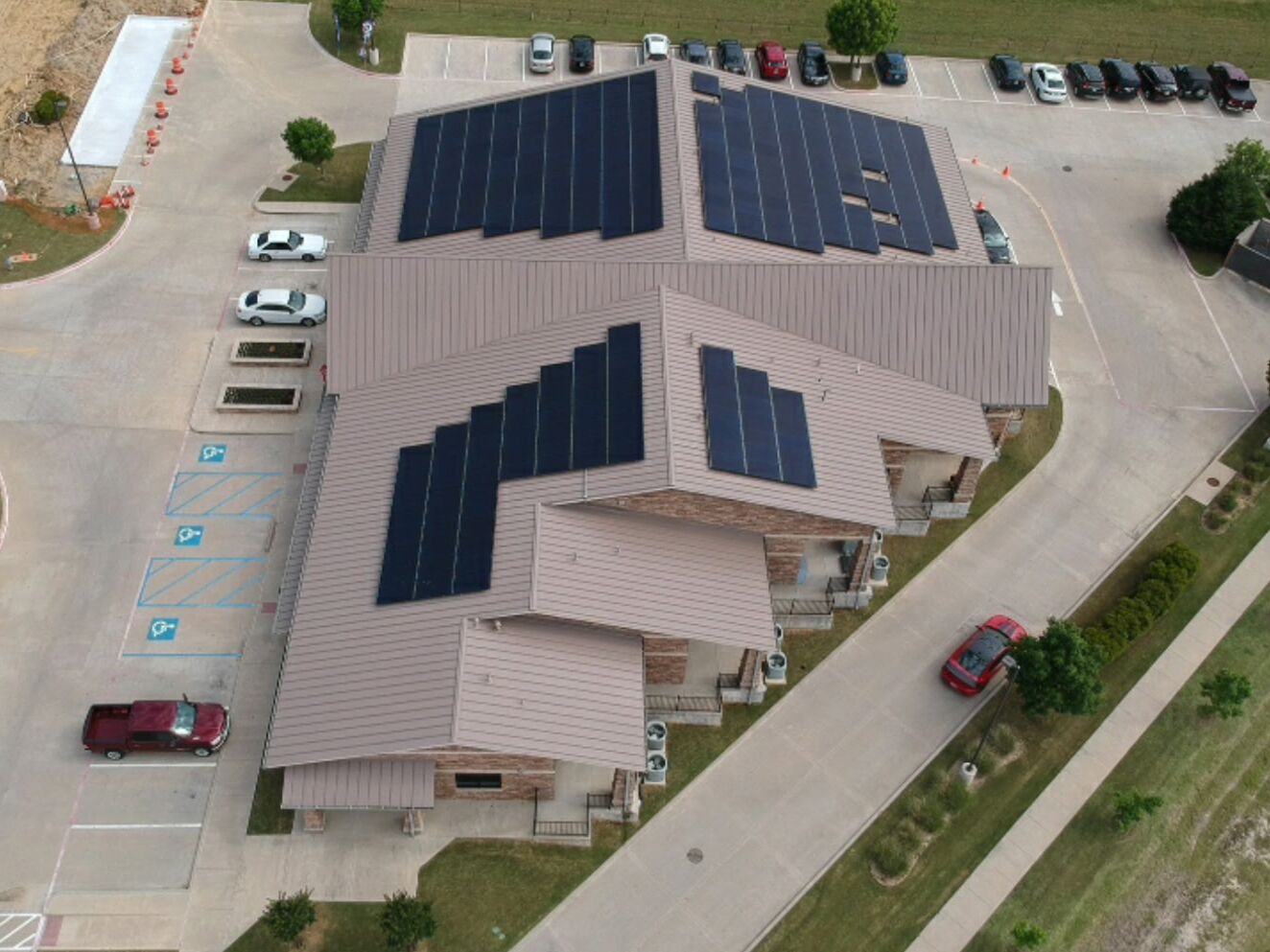
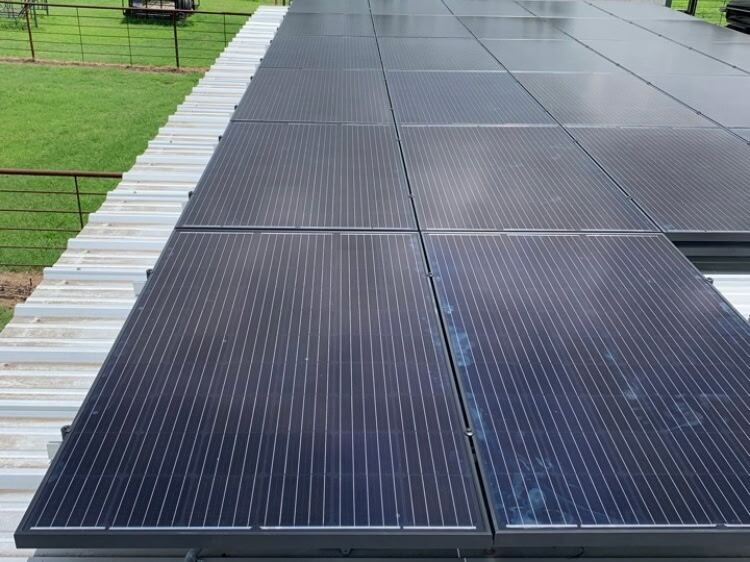
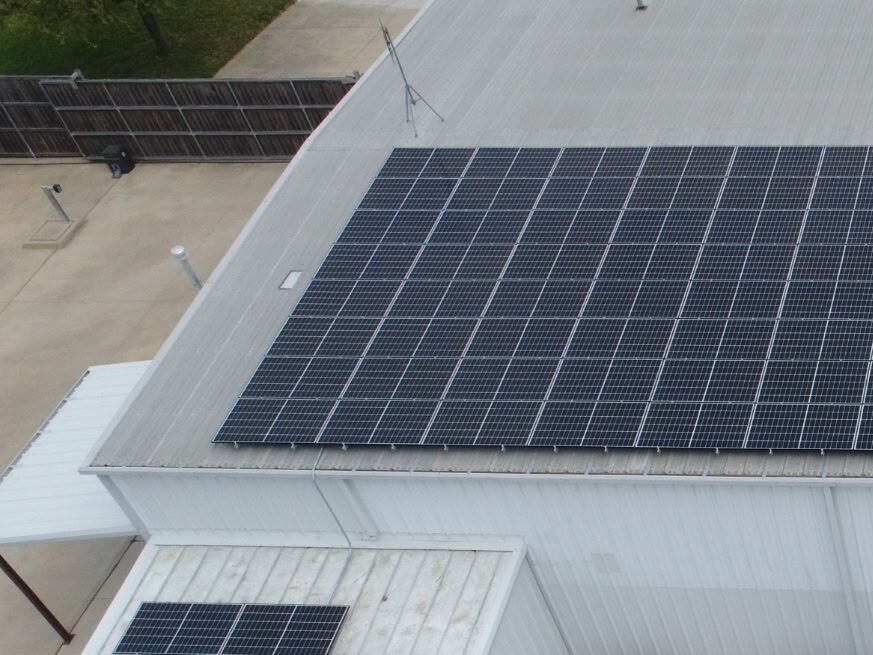
Homes, barns and large commercial roofs: construction, electrical, battery and solar jobs Chad has run across Texas. Real jobs only, shown with the owner's okay.
How a job goes, first call to switch-on
A solar and battery job runs about 45 days from the day you agree to the day the system is on. Here's what happens in between.
- You ask. Fill out the form below, or call or text. You'll talk to a real person on our team, at a time that suits you, from this first call through to switch-on.
- Send us an electric bill. That's the only homework. Your bill tells us how much power you use and what you pay for it, and that's what the design is built on.
- Proposal and a sit-down. We design a system for your usage and your place, then meet with you to go through it: what it is, what it does and what you'd pay each month. You decide on your own schedule.
- Site visit. We check roof condition and direction, ground space, your electrical panel and shade, so the design is confirmed against the real site before anything is ordered.
- Agreement and paperwork. Your agreement names the licensed electrical contractor for your job and gives you a cancellation period, as Texas law requires. Then engineering (a couple of days), a permit if you're inside city limits (a few days to two weeks), and the interconnection agreement with your utility (typically one to two weeks; the utility sets that pace). We handle all of it.
- Installation. Equipment is ordered and the work is scheduled. Licensed crews we hire and oversee do the work, and we manage the job from start to finish. A battery job is two to three days on site for most homes. A structure adds its own time, and you'll have that schedule up front.
- Switch-on, and after. We test the whole system before we hand it over: panels, batteries and controls working together. Once the utility signs off, it goes live and we show you how to read it. We stand behind our work, and we handle any factory warranty claim on the panels and inverters for you.
Commercial and industrial
EMC takes on commercial and industrial work across Texas: warehouses and distribution centers, manufacturing and processing plants, cold storage, large metal buildings, retail and office buildings, churches, farm and ranch operations, parking canopies and carports, and multi-building sites.
Large roofs and multi-building projects are managed start to finish: design, engineering, permits, utility paperwork, construction, electrical and commissioning. One contractor, accountable for the whole job.
Every property is priced from its own roof, structure and bills. We walk the site, study the usage, and put the design and the numbers in front of you before anyone signs. See the large commercial roofs in Real jobs.
Common questions
The construction, electrical, battery and solar questions people ask us most, answered the way we'd answer them at the kitchen table. Type a word to find one, or just scroll.
Do you only do solar?
We do more than solar. EMC Texas is a construction and solar contractor. We design and contract the structures, the electrical work, the roofing, the batteries and the solar, so the whole job sits with one contractor who is accountable for all of it.
Where do you work?
EMC works across Texas. Right now we're booking visits in . Anywhere else in Texas, tell us about your place on the form below and we'll tell you exactly what will work.
How does solar work?
Panels on your roof or in your yard turn sunlight into electricity. An inverter turns it into the kind your house uses. During the day your home runs on that power first and pulls from the grid for the rest. Add a battery and the extra gets stored for the evening or for an outage. Your home stays connected to the grid the whole time; you're just buying a lot less from it.
How will I save money?
It comes down to what you pay for electricity now and how much you use, so we start with your bill. With a lease or power purchase agreement you swap a bill that moves with rates for a fixed monthly amount. We show you the comparison on paper, with your own numbers, before you decide. Every figure we give you comes from your own bill.
Will I still have an electric bill?
Yes, a small one, for your connection to the grid and the power you draw from it. A well-designed system can cover most of what you use, and we show you what to expect on your bill before you sign.
Will I have power in an outage?
With a battery, yes. The battery carries your home while the grid is out, and the solar recharges it when the sun's up. Solar on its own pauses during an outage to protect the line crews, so backup power is the battery's job, and we design for it when you want it.
What will a battery actually run?
Most systems are designed around critical loads: the refrigerator, the lights, the computer. A whole-house setup takes more battery, and central air conditioning is the biggest load of all, so we size for it specifically when you want it covered. We design yours around the loads you name, and you'll know exactly what it runs before you sign.
Roof or ground mount?
A roof mount costs less and suits a sound roof with newer shingles, because the system will be up there 25 to 30 years. A ground mount keeps your roof clear and can double as a carport, patio cover or pergola, so you get a structure as well as power. If your roof is older, we handle that first; roofing is part of what we contract.
What if my roof isn't right for solar?
Then the panels go somewhere better. A ground mount puts them in the yard or the pasture, or a purpose-built structure carries them: a shed, barn, carport, garage, pavilion or patio cover that EMC designs and contracts. Shade, an older roof or the way it faces are the usual reasons. The site visit settles which one fits.
Does solar affect my insurance?
Tell your insurer before installation, and they'll confirm how your policy treats it. When a roof is replaced under a hail or insurance claim, the claim usually covers taking the panels off and putting them back. Policies differ, so confirm it with your insurer.
Who does the electrical work?
EMC Texas is the contractor on your job. The electrical work on every job is done by a Texas-licensed electrical contractor chosen for that job. The contractor's name and license number are written into your agreement, as Texas law requires. License and insurance verification is available on request.
What does it cost?
Every job is priced from how much power your place needs, so the number comes from your own bill. Most of our homeowners put no money down. You pay a fixed monthly amount through a lease or power purchase agreement instead of buying the system outright, and you can buy it outright if you'd rather. We show you the numbers on your own bill first.
How long does the whole thing take?
About 45 days from agreement to switch-on. Engineering takes a couple of days. A permit, inside city limits, takes a few days to two weeks. The interconnection agreement with your utility typically takes one to two weeks; the utility sets that pace. Installation itself is two to three days with batteries.
What happens after installation?
The system is tested before we hand it over, and we stand behind our work. You have one number to call, and it's ours. Panels and inverters carry their own factory warranties, and we handle any warranty claim for you.
What happens to my information when I fill out the form?
It stays with EMC Texas and the small team that helps us with scheduling. We don't sell or rent it. The details are on our privacy note.
Didn't find it? Ask us on the form below.
Request a visit
A structure, electrical work, a roof, a battery or solar: tell us a little about your place and how you'd like to be reached. A real person on our team reads every one.
Thank you. We'll be in touch.
Check your email for a note from us with a link to pick a time. If you asked for a text, keep an eye on your phone.
Rather pick a time yourself? Pick a time for a visit (opens our Google calendar booking page)